SOLAR EPHEMERIS / —
A day on Earth.
49.19° N · 98.10° W
SUNRISE UTC—
SOLAR NOON UTC—
SUNSET UTC—
00:00 UTCDAYLIGHT —24:00 UTC
—SOLAR ALTITUDE
SUN AZIMUTH—
EQUATION OF TIME—
EARTH–SUN DISTANCE—
MOON ILLUMINATION—
LUNAR AGE—
01 / SOLAR EPHEMERIS
The daylight year
Sunrise, sunset, dawn and dusk throughout the year · local mean solar time
Daylight Civil twilight Nautical Astronomical Night
——
Selected Sun: —
02 / GLOBAL LIGHT
Earth, illuminated
Solar terminator and twilight bands · wheel to zoom · drag to pan
Twilight overlays
2K image · offline
Satellite Earth texture · solar twilight computed live
Day Civil Nautical Astronomical Night Sun zenith ○ Sun nadir ◇
03 / YOUR HORIZON
Sky compass
Local horizon · zoom toward the pointer · drag to pan when magnified
Live illumination from solar altitude
Milky Way mask diagnosticsDiagnostic statistics loading
Move your pointer over the sky to read RA, Dec, azimuth and altitude
Sun and Moon position details loading…
Sun MoonBright stars, planets and Sun/Moon positions
04 / CELESTIAL DISCS
Sun & Moon
—
1.0×
Bright limb from zenith: —Loading lunar photography…
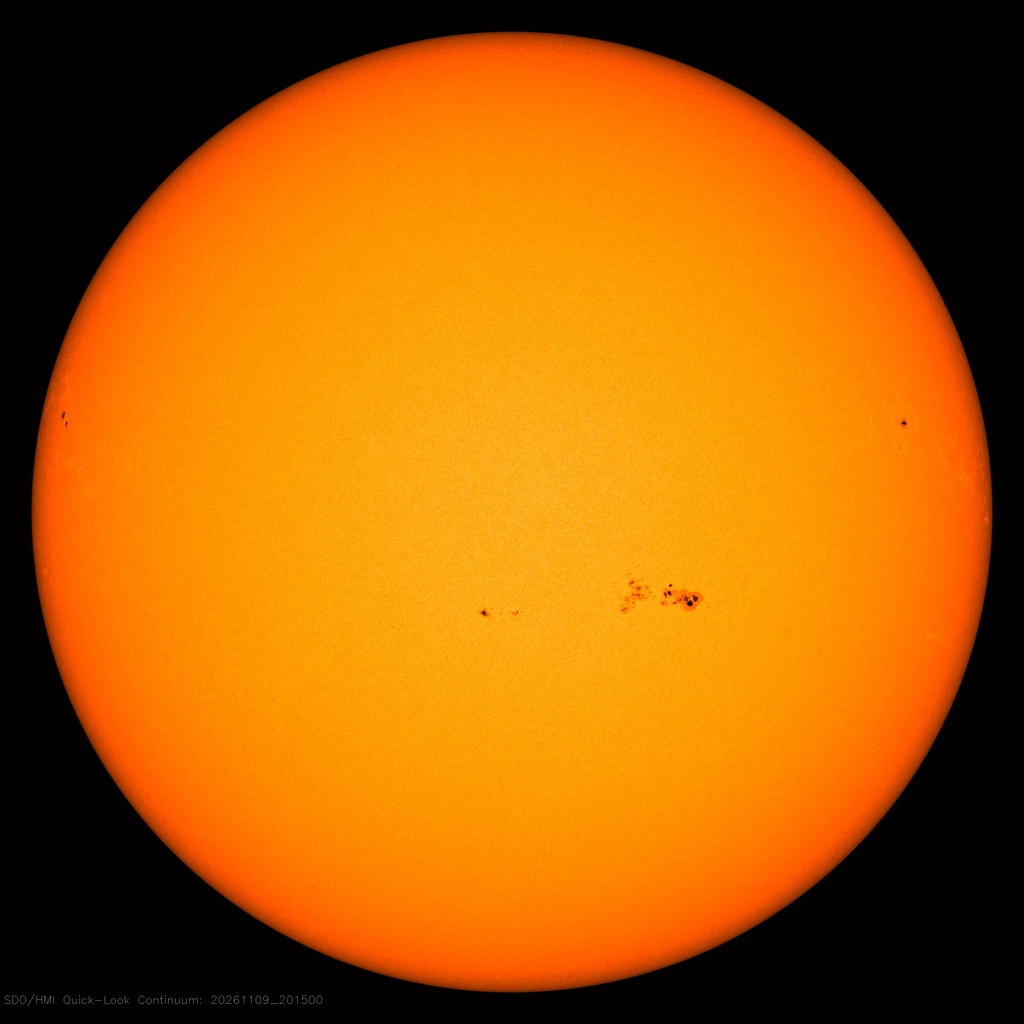
NASA solar image · checking latest observation…NASA SDO source ↗The Sun image shows the latest available NASA observation, not HelioClock's simulated date. The capture timestamp is printed within the photograph when supplied by NASA.
NEW MOON
FULL CYCLE
05 / SOLAR SYSTEM
Solar system orrery
Approximate heliocentric positions · switch inner / outer planets
Radial scale · astronomical units
● Mercury● Venus● Earth● Mars
07 / ASTRONOMICAL ALMANAC
☀ Astronomical information ☾
MChronos-inspired text almanac · events displayed in your device's local timezone
06 / OBSERVATION NOTES
Under the sky
Context for the selected instant
Solar declination—
Sun position—
Moon altitude—
Moon azimuth—
Daylight change tomorrow—
Observer location—
Solar calculations use NOAA-style approximate equations. Lunar positions use Astronomy Engine; planetary positions use simplified models, not precision ephemerides. Times are shown in UTC to avoid ambiguous local clock offsets; no network location or astronomy service is required.